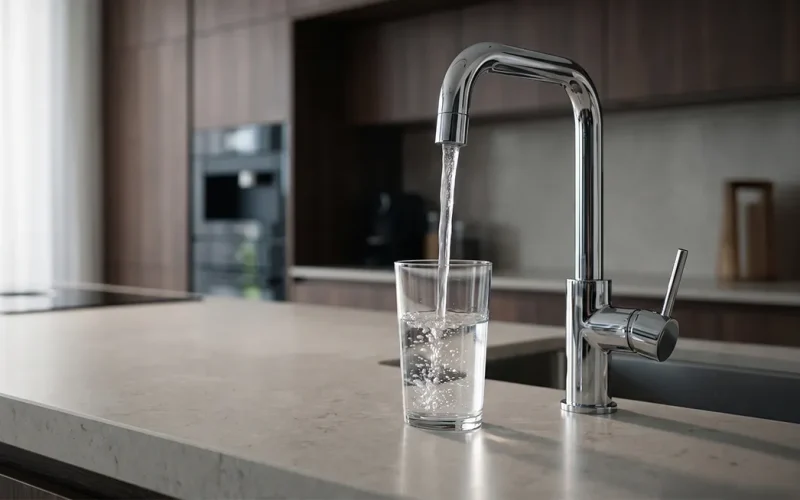
In Japan, water has never been treated as a simple utility. Tea masters travel to specific springs for the right taste. Bathers soak in mineral hot springs as a weekly ritual, not a luxury. Even the word for clean, kirei (clean or beautiful), carries a sense of purity that goes beyond hygiene. That quiet respect for water says something useful to the rest of us. The quality of what we drink and bathe in matters, and not only because a lab report says so. This article looks at where water quality and wellness meet in Japanese water culture, and what that means for the glass on your kitchen counter.
The Japanese Philosophy of Water and Wellness
Japanese water culture treats water as something to notice, not just consume. Take shinrin-yoku (forest bathing), the practice of slow, mindful walks among trees. People often choose routes along streams and waterfalls, because moving water seems to settle the mind. Then there is the onsen (hot spring), where bathing is social, seasonal, and almost ceremonial. None of this is about chasing a cure. It is about paying attention to a basic element and letting that attention support a calmer state of mind.
You can borrow the mindset without booking a flight. The idea is simple: if water deserves this much care at the source, it deserves some care at home too. That is why many households start by improving the water they use daily, sometimes with a home system such as HomePure Viva, sometimes with simpler steps. The point is the intention behind it.
Understanding Water Quality and Its Wellness Impact
Tap water across Europe is generally safe to drink, and that is worth saying plainly. Still, “safe” and “ideal-tasting” are not the same thing. Chlorine used for disinfection can leave a flavor some people dislike. Older plumbing can add traces of metals. In some regions, hardness and sediment affect taste and how the water feels.
Why does this connect to wellness at all? Because taste drives habit. When water tastes clean and neutral, you tend to reach for it more often, and steady intake is what supports healthy hydration over the long run. If you are not sure where to start, this guide on how much water you actually need each day is a sensible reference. For the bigger picture on contaminants and standards, the World Health Organization guidance on safe drinking water lays out what matters and why.
Water Purification Options for a Modern Home
Water purification is not one method but several, each with trade-offs. Boiling handles microbes but does nothing for taste or chemical residue. Simple jug filters improve flavor and are cheap to start with, though cartridges need frequent changing. Reverse osmosis is thorough but can be slow and wasteful. Multi-stage filtration systems sit in the middle, balancing flow rate with broad reduction of common impurities.
This is where a countertop unit earns its keep. HomePure Viva is designed to reduce chlorine taste and common contaminants while keeping the process convenient for daily use. The right choice depends on your local water, your budget, and how much maintenance you are willing to do. There is no single correct answer, only the one that fits your kitchen.
Building a Daily Water Ritual Worth Keeping
The Japanese lesson here is about rhythm. A ritual does not need incense or a mountain spring. It needs to be small enough that you actually repeat it.
Start the morning with water, not just coffee
Keep a glass by the bed or the kettle. Drinking water first thing helps you rehydrate after sleep before caffeine takes over. It is a tiny habit, and it sets the tone for the day.
Make good water easy to reach
We drink what is convenient. A filled bottle on your desk beats a faraway tap every time. Reduce the friction and the habit takes care of itself.
Pause and notice
Borrow a little from forest bathing. For a few seconds, just drink slowly and pay attention to the taste and temperature. This sounds minor, but mindful repetition is how habits stick.
Real-World Wellness Benefits of Clean Water
Let us keep this honest. Clean water is not a miracle. What it does is remove obstacles. When water tastes good, hydration becomes easier, and adequate hydration is associated with steady energy and better concentration through the day. Many people also notice that drinking enough water helps their skin look less dull, which is part of why hydration tends to show up in so many wellness routines.
The importance of clean water also shows up in the small stuff: better-tasting tea and coffee, food that cooks without a chlorine note, ice that does not smell of the tap. A filtered system like HomePure Viva can support that everyday consistency. If you want to layer this into a broader routine, these small daily habits that make a home healthier pair well with a water upgrade.
Turning Water Wellness Into an Opportunity
Here is something many people overlook. Interest in clean water and healthy hydration is growing, and that interest creates room to do more than just buy a product. Some people who care about wellness end up sharing it, and a few build a small business around the things they already believe in.
If that idea appeals to you, learning about becoming a QN Europe independent distributor is a low-pressure place to start. No commitment, just information. Plenty of people read it, sit with it, and decide later.
Frequently Asked Questions
How does water quality affect wellness?
Water quality shapes taste, and taste shapes how often you drink. When water is clean and pleasant, staying hydrated feels easier, and consistent hydration supports general wellbeing like energy and focus. It is less about any single benefit and more about making a healthy habit effortless to keep.
Is tap water in Europe safe to drink?
In most of Europe, tap water meets strict safety standards and is fine to drink. Many people still use a filter for taste, to reduce chlorine flavor, or to address older household plumbing. For the official standards, the World Health Organization is a reliable reference point.
What can a home water purifier actually do?
A home water purification system is designed to filter out common impurities and improve taste and clarity. Different systems handle different things, so it helps to match the filter to your local water. Always check the manufacturer’s specifications for what a given model is built to reduce.
What does Japanese water culture teach about hydration?
Mostly, it teaches attention. Practices like onsen bathing and forest walks near water treat it as something worth respecting rather than ignoring. Applied at home, that mindset nudges you toward better water and a steadier, more mindful drinking habit.
You do not need a sacred spring to drink better. The Japanese habit of respecting water translates into something practical: clean water within easy reach, and the small daily act of actually drinking it. Pick one change this week, whether that is a morning glass before coffee or a closer look at how your water tastes, and let the ritual build from there.